
Simple Steps for Effective Wall Mould Removal
Mould on walls is a common issue that can affect the appearance and integrity of commercial properties and public sector buildings. It is important to address mould promptly to maintain a healthy environment and protect your investment. In this post, I will guide you through simple, practical steps for wall mould removal. These steps are designed to be clear and actionable, helping you tackle mould efficiently and safely.
Understanding Wall Mould Removal
Before starting the removal process, it is essential to understand what mould is and why it appears on walls. Mould is a type of fungus that thrives in damp, poorly ventilated areas. It can cause damage to surfaces and may pose health risks if left untreated.
To effectively remove mould, you need to:
Identify the source of moisture causing the mould growth.
Use appropriate cleaning methods and materials.
Take preventive measures to avoid recurrence.
Proper wall mould removal involves both cleaning the visible mould and addressing the underlying moisture problem.

Wall Mould Removal: Step-by-Step Guide
Here is a straightforward process to remove mould from walls safely and effectively:
Prepare the Area
Clear the space around the affected wall. Remove furniture and cover floors with plastic sheets to protect them from cleaning agents and mould spores.
Wear Protective Gear
Use gloves, a mask, and goggles to protect yourself from mould spores and cleaning chemicals.
Ventilate the Space
Open windows and doors to ensure good airflow. This helps reduce moisture and prevents spores from spreading indoors.
Clean the Mould
Mix a solution of water and detergent or use a commercial mould cleaner. Apply it to the mouldy area with a sponge or soft brush. Avoid harsh scrubbing that can damage the wall surface.
Rinse and Dry
Wipe the cleaned area with a damp cloth to remove residue. Then, dry the wall thoroughly using fans or dehumidifiers.
Treat the Wall
Apply a mould-resistant primer or paint to prevent future growth.
Address Moisture Issues
Fix leaks, improve ventilation, and control humidity levels to stop mould from returning.
Following these steps carefully will help you achieve effective wall mould removal and maintain a clean, safe environment.
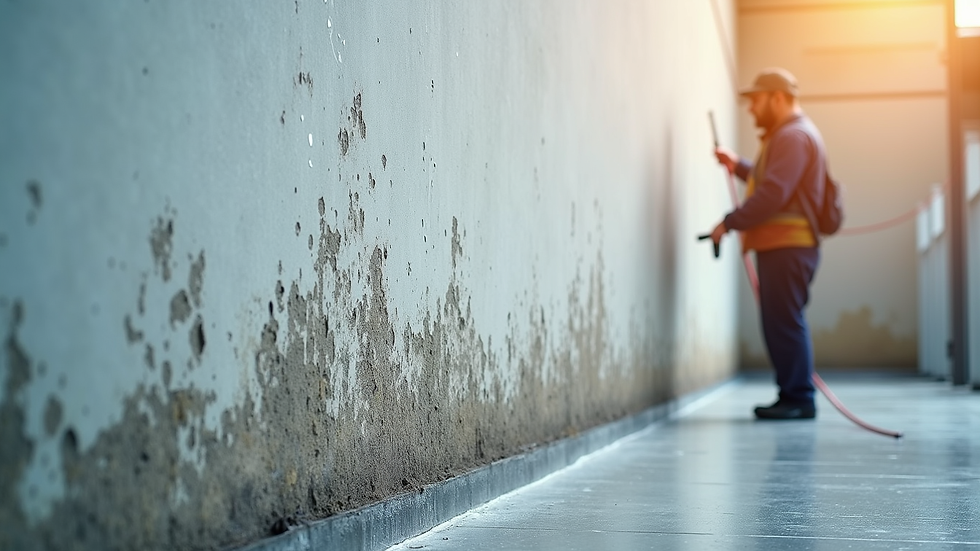
How do I get mold off my painted wall?
Removing mould from painted walls requires extra care to avoid damaging the paint finish. Here’s how I recommend doing it:
Use a Mild Cleaning Solution
Mix one part white vinegar with three parts water or use a gentle detergent solution. Avoid bleach as it can discolor paint.
Test a Small Area First
Apply the solution to a small, hidden section of the wall to check for any adverse effects.
Gently Clean the Mould
Use a soft cloth or sponge to wipe the mouldy spots. Do not scrub aggressively.
Rinse and Dry
Wipe the area with a clean damp cloth and dry it completely.
Repaint if Necessary
If mould stains remain, consider repainting with a mould-resistant paint designed for commercial use.
This method preserves the paint while effectively removing mould.
Preventing Mould Growth on Walls
Prevention is key to avoiding repeated mould problems. Here are practical tips to keep walls mould-free:
Control Humidity
Use dehumidifiers and ensure proper ventilation in all rooms.
Fix Water Leaks Promptly
Check plumbing and roofing regularly for leaks.
Improve Air Circulation
Keep air vents clear and use fans where needed.
Use Mould-Resistant Materials
When renovating, choose mould-resistant paints and wall coverings.
Regular Cleaning
Clean walls periodically with mild detergents to prevent mould spores from settling.
Implementing these measures will help maintain a healthy environment and protect your property.
When to Call Professionals for Wall Mould Removal
While many mould issues can be handled with the steps above, some situations require professional intervention:
Extensive mould covering large wall areas.
Mould caused by hidden water damage or structural issues.
Persistent mould that returns despite cleaning.
Concerns about health risks or sensitive environments.
Professional services have the expertise and equipment to safely remove mould and address underlying problems. They can also provide advice on long-term prevention tailored to your building.
For those looking for guidance on how to get mould out of walls, professional resources can be invaluable.
Maintaining a Mould-Free Environment
Regular maintenance is essential to keep walls free from mould. Schedule routine inspections, especially in areas prone to dampness. Keep humidity levels below 60% and ensure that ventilation systems are functioning properly.
By staying vigilant and addressing issues early, you can protect your commercial or public sector property from the damage and health risks associated with mould.
Taking these simple steps for wall mould removal will help you maintain clean, safe, and attractive spaces. Whether you choose to handle the task yourself or seek professional help, understanding the process and prevention techniques is crucial for long-term success.


Comments