
Comprehensive Property Maintenance Solutions Explained
Maintaining a building is essential to ensure its safety, functionality, and aesthetic appeal. Whether it is a commercial complex, residential apartment, or industrial facility, regular upkeep prevents costly repairs and extends the life of the property. This article explores comprehensive property maintenance solutions, detailing the types of services involved, their importance, and practical tips for effective building care.
Understanding Property Maintenance Solutions
Property maintenance solutions encompass a wide range of activities aimed at preserving and enhancing the condition of a building. These solutions include routine inspections, repairs, cleaning, and upgrades to various building systems such as electrical, plumbing, HVAC, and structural components.
Effective property maintenance solutions are proactive rather than reactive. This means identifying potential issues before they escalate into major problems. For example, regular roof inspections can detect leaks early, preventing water damage to interiors. Similarly, scheduled servicing of HVAC systems ensures efficient operation and reduces energy costs.
Some common property maintenance tasks include:
Electrical system checks to prevent hazards and ensure compliance with safety standards.
Plumbing repairs to fix leaks, clogged drains, and maintain water quality.
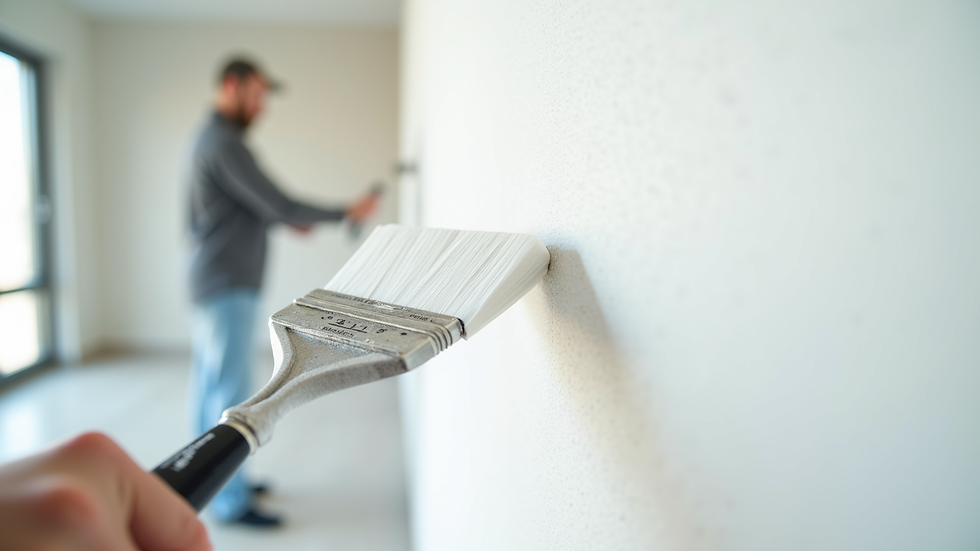
Painting and surface treatments to protect against weathering and improve appearance.
Pest control to avoid infestations that can damage the building structure.
Landscaping and exterior cleaning to maintain curb appeal and prevent deterioration.
By implementing a comprehensive maintenance plan, property owners can safeguard their investment and provide a safe environment for occupants.

Regular inspections are key to effective property maintenance solutions.
Key Components of Property Maintenance Solutions
A well-rounded property maintenance program covers several critical areas to ensure the building remains in optimal condition. These components include:
1. Preventive Maintenance
Preventive maintenance involves scheduled activities designed to prevent equipment failure and structural damage. This includes tasks like lubricating machinery, replacing worn-out parts, and cleaning gutters. The goal is to reduce downtime and avoid emergency repairs.
2. Corrective Maintenance
Corrective maintenance addresses issues that have already occurred. For example, fixing a broken window or repairing a leaking pipe. While necessary, relying solely on corrective maintenance can be costly and disruptive.
3. Predictive Maintenance
Using technology such as sensors and data analytics, predictive maintenance forecasts when equipment might fail. This allows for timely interventions, minimizing unexpected breakdowns.
4. Emergency Maintenance
This involves urgent repairs needed to address sudden problems that pose safety risks or disrupt operations, such as electrical faults or structural damage after a storm.
5. Cleaning and Janitorial Services
Regular cleaning is vital for hygiene and aesthetics. This includes interior cleaning, waste management, and maintaining common areas.
6. Landscaping and Groundskeeping
Maintaining outdoor spaces enhances the property's appearance and prevents issues like soil erosion or blocked drainage.
7. Compliance and Safety Checks
Ensuring the building meets local regulations and safety standards is crucial. This includes fire safety inspections, elevator certifications, and accessibility audits.
By integrating these components, property maintenance solutions provide a holistic approach to building care.

Landscaping plays a significant role in comprehensive property maintenance.
How much does maintenance cost for a building?
The cost of building maintenance varies widely depending on factors such as the size of the property, its age, location, and the scope of services required. Understanding these costs helps in budgeting and planning effective maintenance strategies.
Factors Influencing Maintenance Costs
Building Size and Complexity: Larger buildings with complex systems require more resources and specialized services.
Age and Condition: Older buildings often need more frequent repairs and upgrades.
Type of Property: Commercial properties may have different maintenance needs compared to residential ones.
Frequency of Maintenance: Regular preventive maintenance can reduce overall costs by avoiding major repairs.
Local Labor and Material Costs: Prices vary by region and availability of skilled workers.
Typical Cost Breakdown
Routine Maintenance: This includes cleaning, minor repairs, and inspections. It usually accounts for 60-70% of the maintenance budget.
Repairs and Replacements: Unexpected repairs or scheduled replacements of equipment and fixtures.
Upgrades and Renovations: Enhancements to improve efficiency or aesthetics.
Budgeting Tips
Allocate around 1-4% of the property’s value annually for maintenance.
Prioritize preventive maintenance to reduce emergency expenses.
Use professional services for accurate assessments and cost estimates.
By understanding these cost factors, property managers can make informed decisions to maintain their buildings effectively.
Benefits of Hiring Professional Maintenance Services
Engaging professional maintenance providers offers several advantages that contribute to the longevity and safety of a building.
Expertise and Experience
Professionals bring specialized knowledge and skills to handle various maintenance tasks efficiently. They are familiar with industry standards and best practices.
Time and Cost Efficiency
Outsourcing maintenance saves time for property owners and reduces the risk of costly mistakes. Professionals can often complete tasks faster and with better quality.
Access to Advanced Tools and Technology
Maintenance companies use modern equipment and software for inspections, repairs, and monitoring, enhancing accuracy and effectiveness.
Compliance Assurance
Professionals ensure that all maintenance activities comply with local laws and safety regulations, reducing legal risks.
Customized Maintenance Plans
Service providers tailor maintenance schedules based on the specific needs of the property, optimizing resource use.
For these reasons, many property owners prefer to rely on expert building maintenance services to manage their maintenance needs comprehensively.
Tips for Effective Building Maintenance Management
Managing building maintenance requires organization, planning, and communication. Here are some actionable recommendations:
Develop a Maintenance Schedule
Create a calendar for routine inspections, cleaning, and servicing. Use digital tools or software to track tasks and deadlines.
Keep Detailed Records
Document all maintenance activities, repairs, and inspections. This helps in tracking trends and planning future work.
Conduct Regular Inspections
Frequent checks help identify issues early. Include structural elements, mechanical systems, and safety equipment.
Train Staff and Occupants
Educate those using the building about proper care and reporting problems promptly.
Budget Wisely
Set aside funds for both routine maintenance and unexpected repairs.
Choose Reliable Contractors
Vet service providers carefully to ensure quality and reliability.
Use Technology
Implement building management systems for real-time monitoring and predictive maintenance.
By following these tips, property managers can maintain a safe, efficient, and attractive building environment.
Maintaining a building is a continuous process that requires attention to detail and strategic planning. Comprehensive property maintenance solutions cover all aspects of building care, from preventive measures to emergency repairs. By understanding the components, costs, and benefits of professional maintenance, property owners can protect their investments and ensure a comfortable, safe space for occupants.


Comments